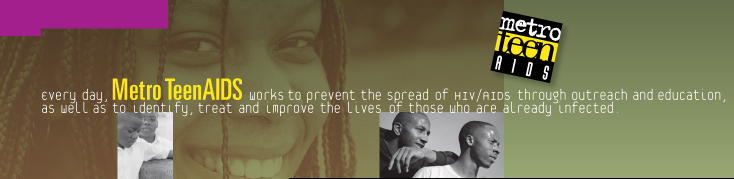




Info on HIV/AIDS
HIV is the virus which causes AIDS.
People who have HIV don’t look or act any differently from uninfected people. They may even seem very healthy. HIV usually takes several years to cause AIDS, so HIV carriers may not know they have it.
How is HIV spread?
You get HIV by exchanging body fluids with someone who’s already infected. This means you can get HIV by:
- having sex with an infected partner (male, female or transgender)
- sharing needles (for tattooing, piercing, or drugs) with an infected person
Moms who have it can also pass it onto her child through breastfeeding. Mother-to-child transmission at birth is preventable if the prenatal health care provider is made aware of a mother’s HIV status.
HIV doesn’t care who you’re having sex with or who you’re sharing needles with. Once HIV is in your bloodstream, that’s it — you’re infected also.
How do I know if I am infected?
The best way to find out if you have HIV is to go get tested. If you want more information give us a call at 202.543.9355 and we’d be happy to tell you more.
AIDS is a result of being infected with HIV. AIDS is a disease which destroys your body’s immune system. This means that people with AIDS can’t fight off illnesses. The sorts of things that aren’t a big deal to healthy people, like the common cold, are very dangerous to AIDS patients.
Here’s what you can do about it!
Just because you can’t see or cure AIDS doesn’t mean there’s nothing you can do about it.
Here are some safe sex practices: starting with the ones that will keep you the safest!
- Don’t have sex. Abstaining from sex is the best way to keep yourself free from HIV and other sexually transmitted diseases.
- If you haven’t had sex yet, consider waiting until you are in a committed relationship with the same person for more than 6 months. Then if you feel ready to have sex, both of you can go get tested for HIV and other sexually transmitted diseases.
- If you’re already sexually active, using a latex condom every time during sex can protect you from getting HIV and other STDs.
Remember that HIV can also be spread by sharing needles. So, it is always important to use clean needles.
It’s worth seeing a professional when getting a tattoo or piercing. Make sure that all needles come from a fresh sterile package and that new ink is used for every tattoo.
AIDS can happen to anyone — protect yourself!